Insulation of Thermal Bridges: Guarantee of Energy Savings and Comfort. -What Is a Thermal Bridge?
Jun 16, 2016
Marcel LapierreOften due to design errors (or aging construction), thermal bridges significantly affect the energy efficiency of a home by causing significant heat loss. The cause? The phenomenon of materials’ thermal conductivity!
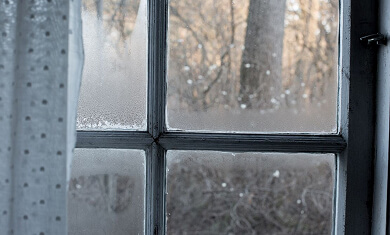
What we call a “thermal bridge” is this zone of thermal resistance break between two points of the insulation, which generates a loss of heat towards the outside of the building by thermal conduction of the walls. Concretely, this means discomfort for the occupants when the outside temperature is low, as well as problems with condensation on surfaces that have become cold (which can lead to possible mildew problems).
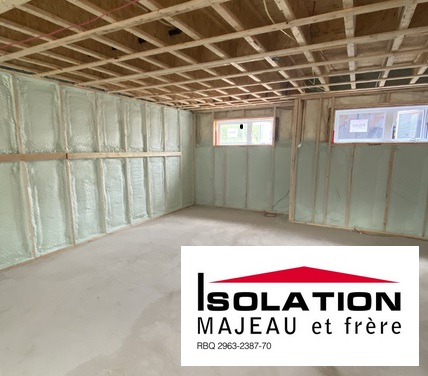
While polyurethane tops the list of materials with insulating properties with an R-6 value per inch, steel, aluminum and copper have dangerously high coefficients of thermal conductivity (45 to 384 W/ m.K vs. 0.028 for type II sprayed urethane)! Aluminum window frames as well as steel load-bearing beams (if they extend into the outer envelope of the building) are obvious examples of thermal bridges. But a concrete floor and/or balcony, wood framing and window glazing should just as much attract your attention.
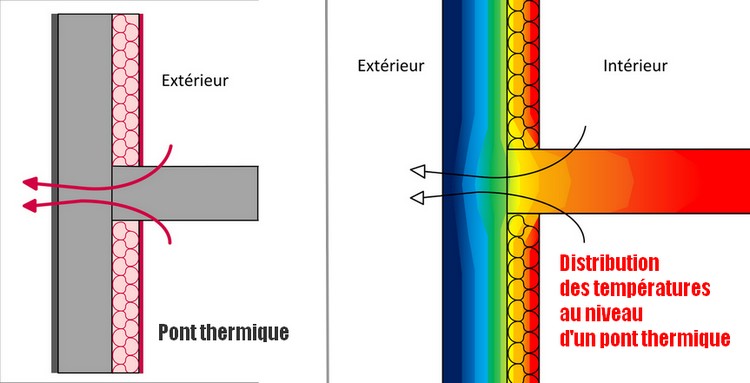
Thermal bridges are difficult to spot with the naked eye. Cold surfaces, formation of condensation, and/or damp spots are a good indicator of the presence of a thermal bridge, but we recommend that you call in a certified professional who will inspect your home and make an accurate diagnosis using an infrared camera (thermography) highlighting temperature differences. From then on, heat loss problems can be addressed and resolved proactively.
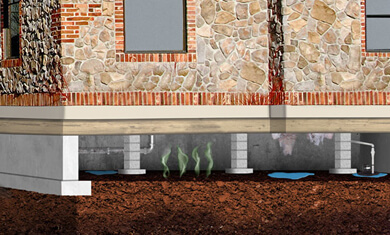
Although there are many techniques for dealing with thermal bridges, external insulation remains the most effective solution to reduce their effect. The installation of thermal bridge breakers, the insulation of the ground and of the foundations, as well as replacing the windows are also to be considered. If you plan to build a new house, it’s imperative to choose materials and construction methods that minimize surface losses through the walls and their junctions.

Marcel Lapierre is president of Isolation Majeau et frère. He worked previously for more than 18 years in plastics and other major industries as a plant manager. Marcel went on to found his own consulting firm specializing in business development and process improvement.
Marcel has spearheaded numerous business development initiatives at Isolation Majeau since 2011, including deployment of the company’s new website and management of its social media presence. With his extensive experience in corporate management, he has wasted no time making improvements to business processes with a focus on efficiency and outstanding customer service.