How to Prepare the Interior of Your House for Winter?
Sep 17, 2020
Jocelyn St-PierreThe cocooning season begins with the arrival of colder days. You stock up canned vegetables you prepared, and the house smells like simmering spaghetti sauce. While you spend more time indoors, take the opportunity to prepare your home for the winter as well. Here are a few things to check out that will help you save energy, avoid bigger problems, and have a warm winter in your home.
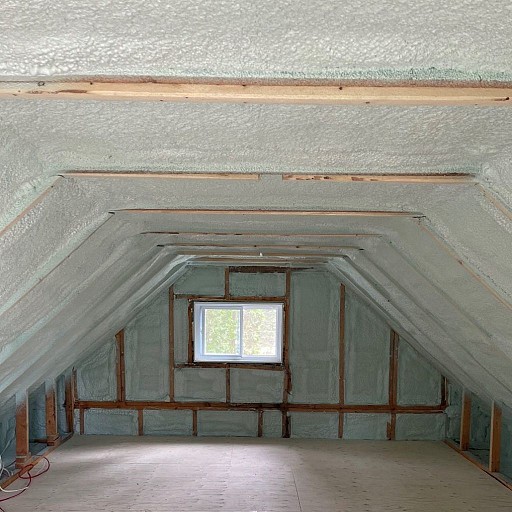
You may not know it, but poor attic insulation can lead to up to 25% heat loss. This is not surprising when you know that there are a lot of conduits over there. And when there are holes, there are air leaks. For example, the contours of the chimney and the poorly insulated access hatch to the attic allow air to pass through. Maybe your recessed light fixtures aren’t sealed, or your bathroom fans are vented in the attic. These are all great reasons to check for attic heat loss. If you have a 1970s or a 1980s house, adding cellulose over the original insulation can reduce your electrical costs by 20-30%.
If your smoke detector is battery operated, take the time to install a new battery during your annual inspection. Remember that the lifespan of your smoke detector is approximately 10 years. As for the carbon monoxide detector, it’s also necessary to remove traces of dust and change the batteries. If you’ve had it for 5 years, it’s time to replace it. These two essentials of home safety can save lives, take care of them.
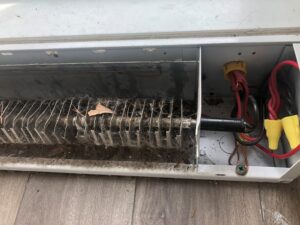
If your baseboards are full of dust by the time they start working again, toxic odours will get in the air. Are your baseboards controlled by old thermostats? If so, consider switching to programmable models that lower the temperature at night and save heating.
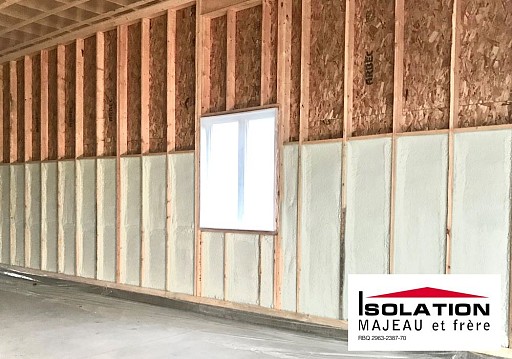
Do you have a damp crawl space, a veranda or solarium that always has a cold floor? You can improve your comfort by insulating that cold, damp space with sprayed polyurethane foam. By closing the gap between the flooring and an exterior wall, you will eliminate air leaks and save on heating costs.


Did you know that according to Natural Resources Canada, windows are responsible for more than 25% of heat loss in your home? Insulating the window with plastic wrap can prevent cold January drafts from making their way into your home. Besides, if your windows are fogged up in winter, it can be caused by several factors. Remember to remove screens to help the heat from the house warm up the glass, thus preventing condensation.
Check the condition of the weatherstripping and the contours of the doors. If the caulking is cracked or damaged, it will need to be changed to prevent air or water from entering.
If you have an air exchanger, you should change the filters approximately every 3 months. So it’s a good time to do so when the season changes. This is also the time to replace or clean the furnace filter. As for cleaning, make sure the dryer and range hood exhaust vents work well and aren’t blocked as moist air needs to be vented from your home.
In conclusion, these few simple interventions inside your home will allow you to spend a more comfortable winter in addition to saving energy. Don’t forget to prepare the exterior of your home for winter as well.

M. Jocelyn St-Pierre est représentant senior des ventes depuis 2010 chez Isolation Majeau et frère. Il fut auparavant, pendant plus d’une dizaine d’années, chef de projet d’installation de systèmes mécaniques et technologiques, permettant entre autre à une scène de monter et descendre. Citons en exemples : la MGM de Las Vegas, la Place des Arts et le Cosmodôme de Laval. Jocelyn a donc collaboré à monter des scènes aux quatre coins du globe pour des spectacles d’envergure.
Au sein d’Isolation Majeau, Jocelyn est rapidement devenu un spécialiste des bâtiments résidentiels du Grand Montréal. Comme il le dit si bien : « J’ai vu toutes les formes d’architecture de Montréal, du début 1900 jusqu’à aujourd’hui. » Grâce à son expertise étendue, il saura vous guider judicieusement et vous proposer des solutions sur mesure lorsque nécessaire, tant sur le chantier que par téléphone.